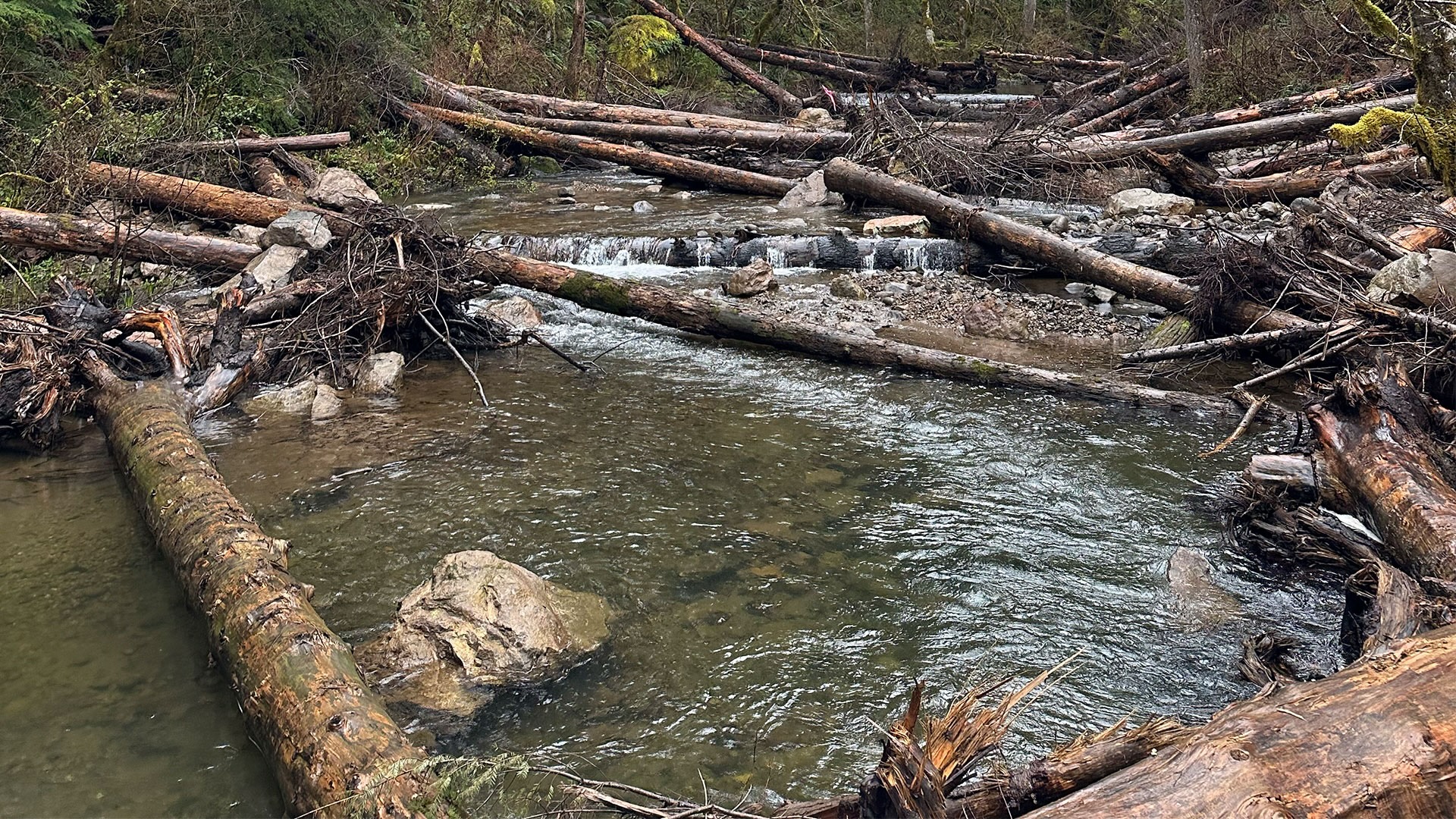

Reconnecting Wildboy Creek: Restoring forests and salmon habitat
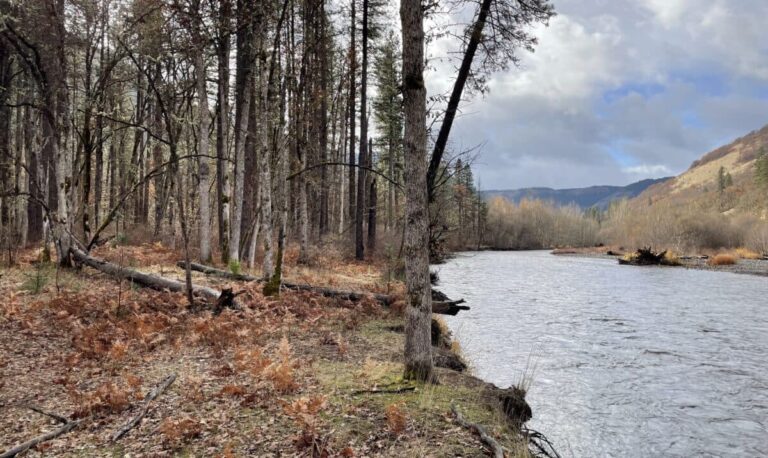
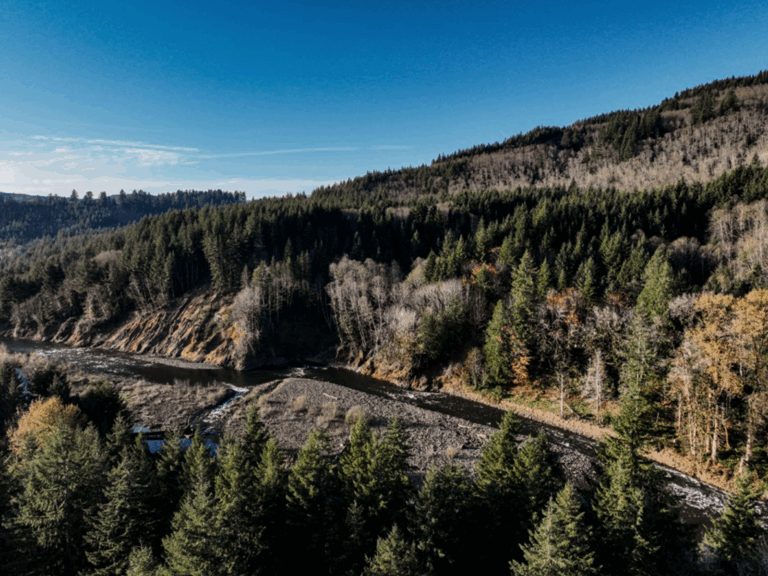
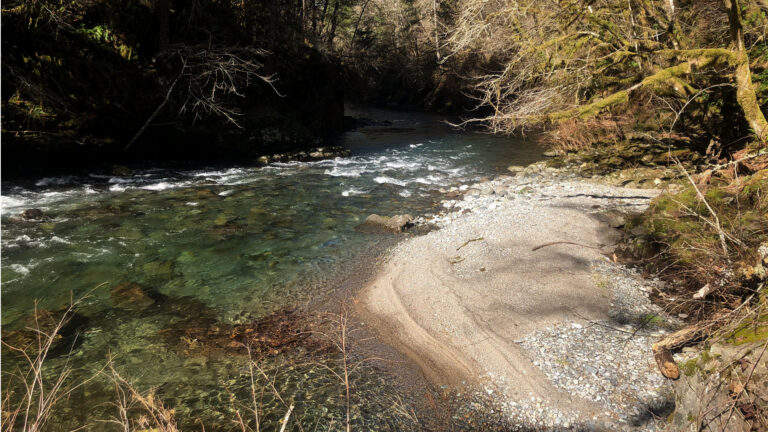
In an inspiring case study of collaboration and long-term vision, the Cowlitz Indian Tribe and Columbia Land Trust removed Kwoneesum Dam in 2024, after working together towards this shared goal for nearly a decade. This dam removal restored salmon and steelhead access to more than 6.5 miles of habitat in the Washougal River watershed and benefitted the ecological health of the entire river system, due to the dam’s former location close to the headwaters of Wildboy Creek.
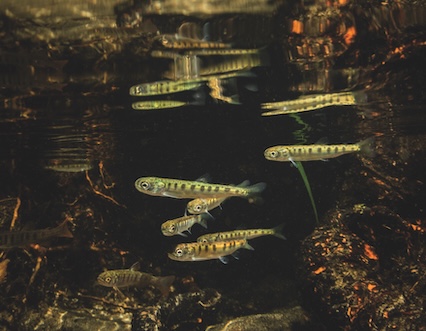
The dam was originally constructed in 1965 by the Camp Fire organization to create a recreational lake for a new girls’ camp. In the late 1980s, the camp closed and the land was sold to an industrial timber company. For years, the dam remained, blocking threatened Coho salmon and steelhead from seven miles of upstream tributaries and holding back valuable sediment from downstream fish habitat. The shallow, stagnant reservoir created by the dam increased the water temperature throughout the Washougal River system, which is detrimental to fish and other wildlife.
Building toward its eventual removal, Columbia Land Trust conserved 1,300 acres of forestland surrounding the defunct 55-foot dam in 2020. Then, after securing permits and funding, the Cowlitz Indian Tribe led the deconstruction, which took about five months, from May to September of 2024. One of the most challenging aspects of the restoration effort was the de-watering of the nine-acre reservoir behind the dam, which held 20,000,000 gallons of water, and temporarily diverting the flow from the upstream tributaries around the project area. The dam removal is just the first phase in the Land Trust and Tribe’s shared vision for the restoration of the Washougal River watershed. The landscape here will continue to evolve over the years ahead now that natural ecological processes have been restored. The Land Trust is also managing the surrounding 1,000+ acres of forestland toward complex, older forest habitat types that support wildlife and watershed function.
Funding partners:
The land purchase was funded with grants from the Open Rivers Fund, a program of Resources Legacy Fund supported by the William and Flora Hewlett Foundation, as well as funding from Washington Department of Ecology’s water quality program, Washington Salmon Recovery Funding Board, M.J. Murdock Charitable Trust, Hugh and Jane Ferguson Foundation, Wiancko Family Foundation, The Conservation Alliance, private donors, a program-related investment loan from the David and Lucile Packard Foundation, and the Pacific Northwest Resilient Landscapes Initiative with support from the Land Trust Alliance, Doris Duke Charitable Foundation, and Oregon Community Foundation.
The dam removal was funded by USDA’s Natural Resources Conservation Service – Environmental Quality Incentives Program, NOAA Fisheries Office of Habitat Conservation, Washington State Recreation and Conservation Office – Salmon Recovery Funding Board & Brian Abbott Fish Barrier Removal Board, Pacific Coastal Salmon Recovery Fund , Open Rivers Fund, a program of Resources Legacy Fund supported by the William and Flora Hewlett Foundation.
Gallery
Other featured projects
-
View Project
Haul Road
Reconnecting the wild Klickitat River with its floodplain by removing eight miles of defunct road
-
View Project
Four Sisters
Managing a native grassland beloved for wildflowers in the Columbia Plateau
-
View Project
Kerry Island
Connecting a tidal floodplain with the Columbia River Estuary
-
View Project
Cranes' Landing
Creating winter habitat for Sandhill cranes in the Vancouver Lake Lowlands
-
View Project
Bowman Creek
Restoring east side forests and helping reduce the risk of catastrophic wildfire with controlled burns
-
View Project
Crazy Johnson
Protecting chum salmon habitat and reducing sedimentation to improve water quality
-
View Project
East Fork Lewis River
Fostering functional river systems and protecting forestland that supports watershed health
-
View Project
Rainbow Natural Area
Restoring rare wet prairie and oak woodland habitats along the Tualatin River