More than 2,600 acres of oak and pine woodland conserved in the first of three planned conservation projects above the Klickitat River
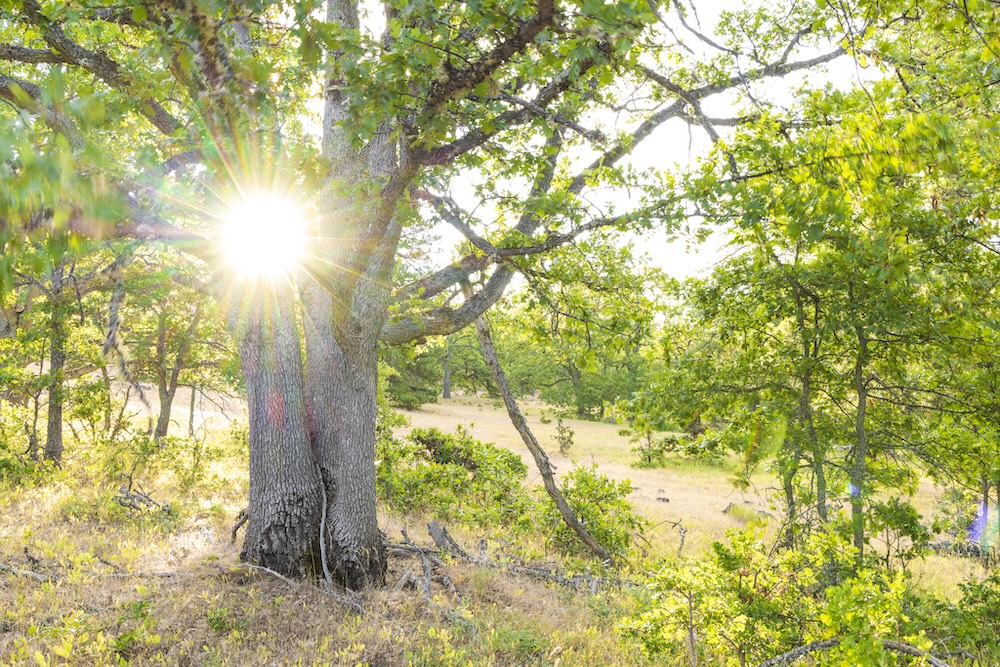
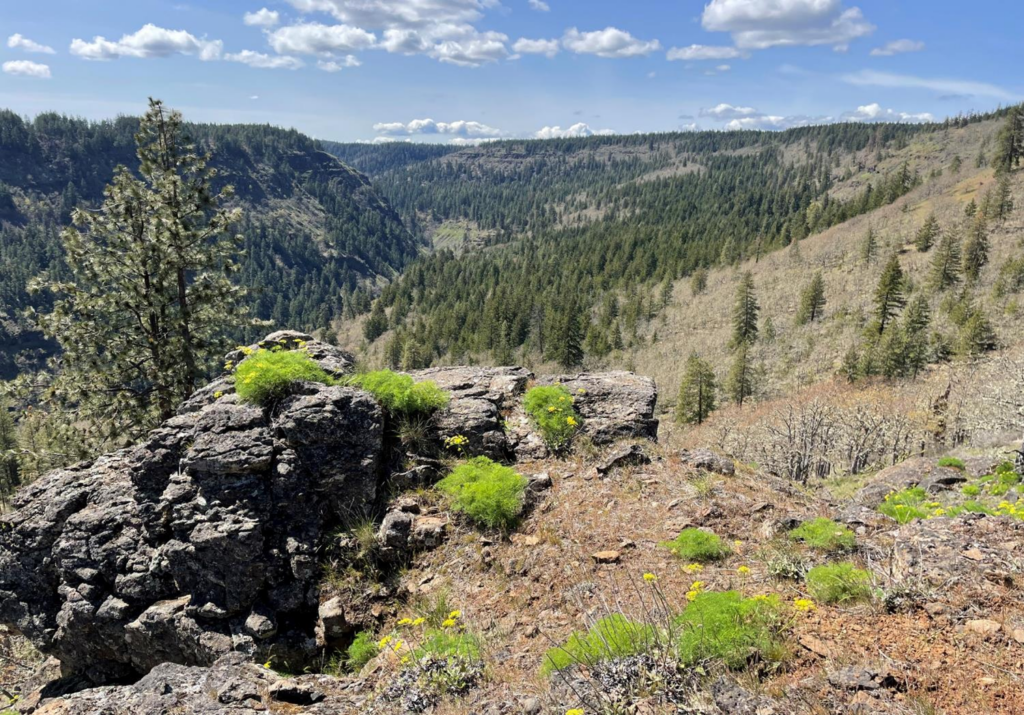
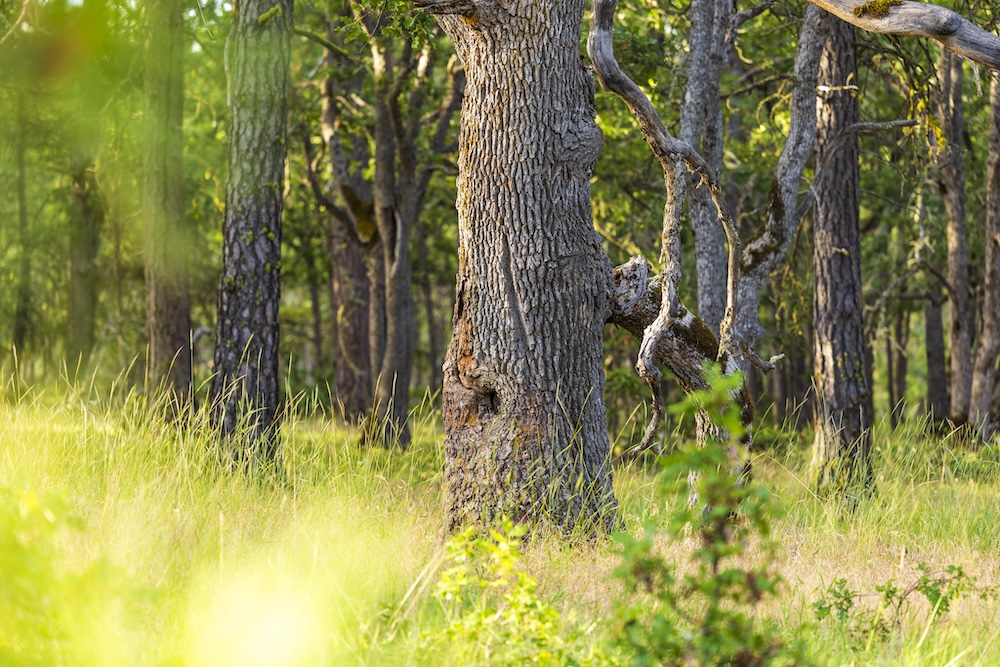
Columbia Land Trust made a strong start to the new year with the conservation of Klickitat Oaks, Phase 1 in early January. Perched above the Klickitat River in south-central Washington, this large and scenic site is home to priority oak and pine woodland habitat and is a strategic link in wildlife migration corridors, including the Pacific Flyway.
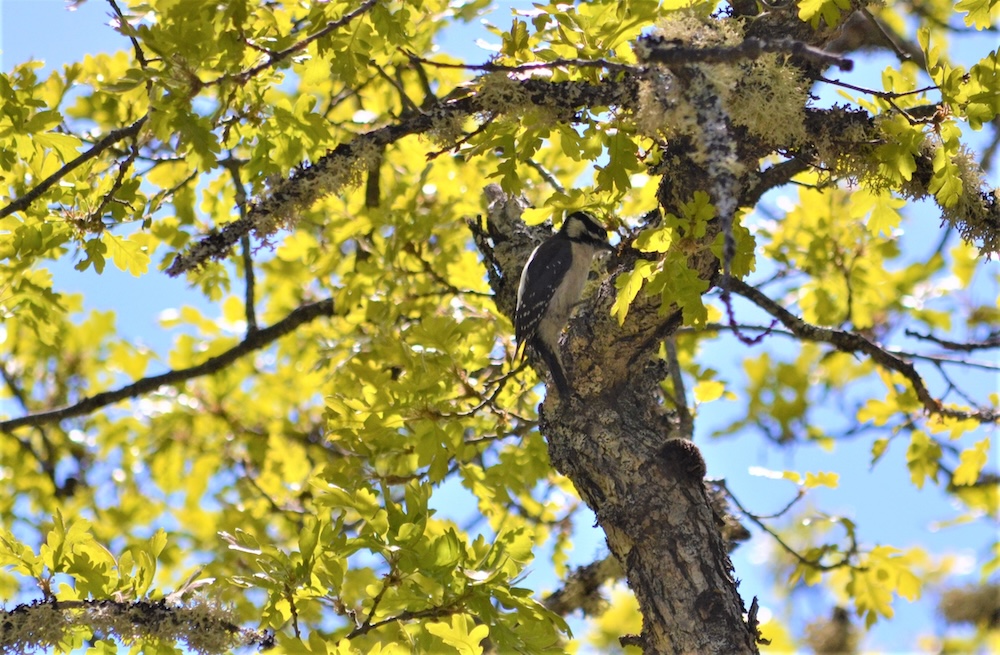
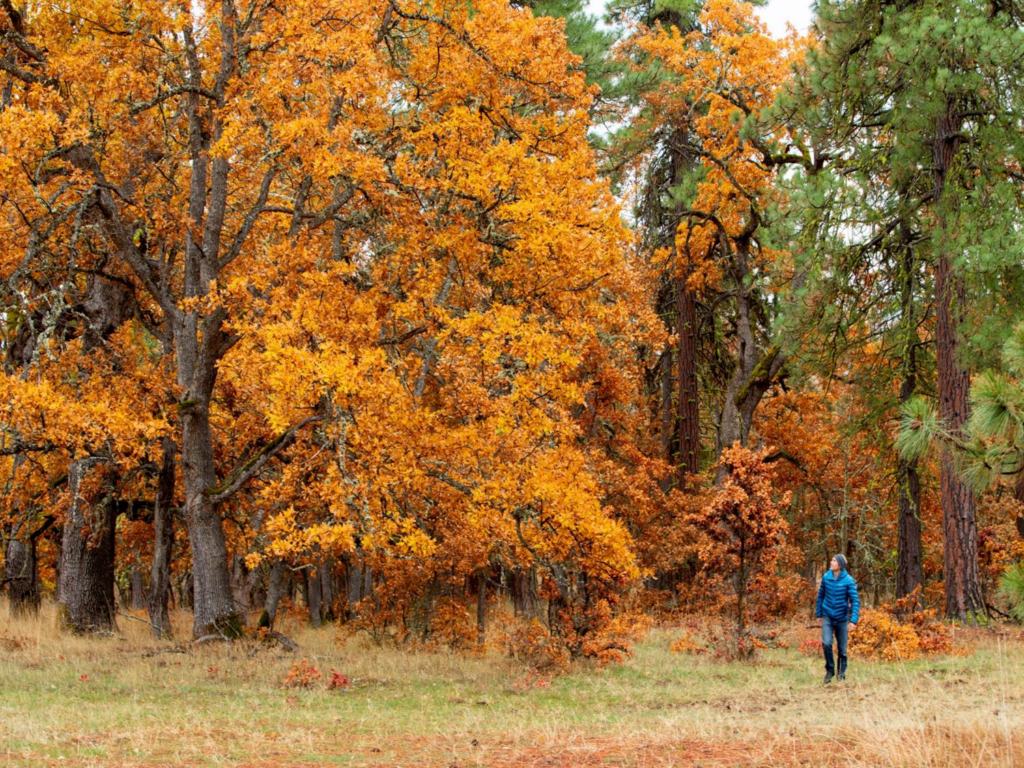
This area of Klickitat County hosts some of the most extensive and highest quality Oregon white oak habitat in the state of Washington. Oaks are fire and drought tolerant, so conserving landscapes like this one is a powerful step in increasing this region’s climate resilience. The newly protected site benefits at least 15 priority wildlife species, including western gray squirrel, Lewis’s woodpecker, acorn woodpecker, mule and black-tailed deer, northern spotted owl, and golden eagle, and connects state-conserved lands to secure a travel corridor for larger mammals.
“Klickitat Oaks, Phase 1 was the highest ranked habitat conservation project in Washington State in 2022 because of the outsized quality of its woodlands and forests as well as the connectivity it provides between existing conserved lands,” said Land Trust Conservation Director Nate Ulrich.
This 2,666-acre parcel is the first of three planned phases which the Land Trust intends to conserve over the next few years. Together they will cover about 8,000 acres of ecologically and culturally important land, and secure public values forever. Strategic, landscape-scale projects like this are the only way to maintain the biodiversity and ecological integrity of these landscapes, and conservation at this impactful scale is not possible without strong partnerships. Columbia Land Trust’s acquisition of Klickitat Oaks, Phase 1 would not have been possible without the partnership of Yakama Nation and The Conservation Fund (TCF).
The Yakama Nation chose to allocate a portion of the funding they received through an America the Beautiful grant award to support this project because of its alignment with core cultural priorities, which include protecting the water, fish, wildlife, plant life, and ecological integrity of the Nation’s ceded lands for future generations. Yakama Nation Department of Natural Resources staff provided early support for the property’s conservation in the form of habitat assessments and wildlife use data. Going forward, we will continue to rely on this expertise as our stewardship staff implement management priorities.
“The Yakama Nation congratulates Columbia Land Trust on the acquisition of the Klickitat Oaks property, and the lasting conservation impact this protection represents,” said Phil Rigdon, Yakama Nation Department of Natural Resources Superintendent. “This rare Oregon white oak landscape plays a vital role in sustaining wildlife habitat, supporting wildlife movement through the Klickitat corridor, and strengthening the region’s resilience in a changing climate. Klickitat Oaks lies within the Yakama Nation’s ancestral territory and has long been an important landscape for the Yakama people, connected to our cultural traditions, foods, and responsibilities to care for the land. This success also reflects Columbia Land Trust’s long-standing commitment to conserving connected, ecologically important lands throughout the Klickitat River corridor. We recognize that protecting Klickitat Oaks was made possible through the collective support of Yakama Nation, public agencies, private foundations, and individual donors from across the country. That broad investment speaks to the unique value of this landscape and the care it inspires far beyond the region.For the Yakama Nation, this work aligns with our responsibility to care for the land and protect places that sustain future generations. We are grateful for the opportunity to work alongside Columbia Land Trust and partners who share this commitment.”
The Conservation Fund also facilitated this success, as part of a long-term collaboration with the Land Trust. In 2021, TCF acquired several parcels of sensitive forestland in the East Cascades, through its affiliate Lupine Forest LLC. This purchase created time for Columbia Land Trust to fundraise and build support to permanently conserve these parcels, which have high ecological value and are important for access and traditional uses. This first phase of Klickitat Oaks conservation is an example of how working together allows us to take advantage of this rare opportunity and protect these important places.
“Protecting this remarkable landscape is essential for wildlife, people, and the long-term health of the region. Oregon white oak forests provide critical habitat, support a wide range of wildlife, and preserve enduring cultural connections to the land,” said Kaola Swanson, Columbia Gorge Program Manager at The Conservation Fund. “We are proud to have partnered with Columbia Land Trust to conserve these high-value lands and ensure that these at-risk ecosystems can thrive for generations to come.”
“Bringing this to a successful conclusion was a hopeful process,” said Ulrich. “It is inspiring to witness so many partners, donors, and community leaders discover something they value in this conservation project and join in the effort to get it across the finish line. The breadth of support for Klickitat Oaks underscores the importance of this landscape.”
The conservation of Klickitat Oaks, Phase 1 was made possible by funding from the Washington Wildlife and Recreation Program and the National Fish and Wildlife Foundation’s American the Beautiful program (subgrant awarded via Yakama Nation).
Additional lead gifts provided by Atira Conservation, The Conservation Alliance, Hollis Foundation, Felburn Foundation, Marcia H. Randall Foundation, Maybelle Clark MacDonald Fund, Rocky Mountain Elk Foundation, and Vancouver Audubon Society and Mary Ann Goodrich, in addition to generous support from other private foundations and individual contributors.