A father-daughter duo transforms their Portland yard with native plants
Learn more about the Backyard Habitat Certification Program and how you can create your own habitat.
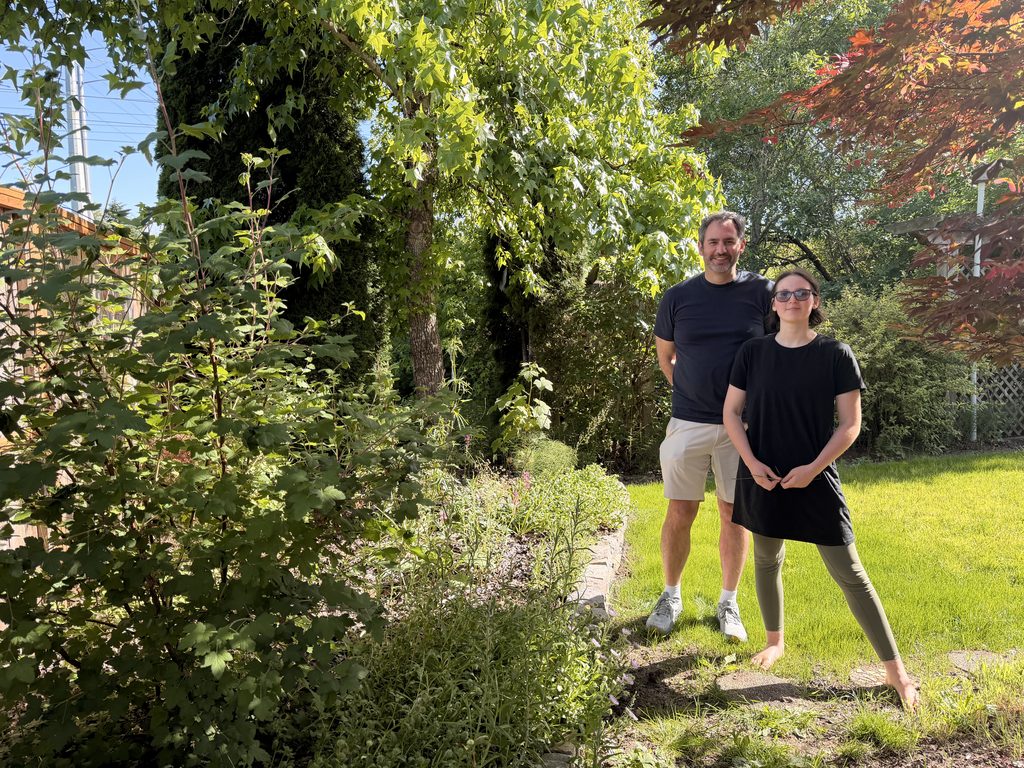
Drive down a steep hill in a residential west Portland neighborhood, and one yard stands out among the rest.
Instead of an expanse of lawn, this yard is filled with native flowers, shrubs, grasses, and trees. During a short visit this spring, a pair of mourning doves made an appearance, a hawk swept by overhead, and a hummingbird stopped to feed on red columbine in bloom.
Much of the vision behind this patch of habitat comes from 15-year-old Summer Torres. What inspired a teenager to look at her family’s suburban yard and envision the native ecosystem it could be?
For Summer, it began after noticing a Backyard Habitat Certification Program sign. She had an existing interest in nature, and learning about the program’s mission to create and expand urban and suburban habitats, and native ecosystems led to a growing curiosity about the plants around her.
“I saw a sign, learned about the program, and realized that I could have habitat in my backyard. And more birds and bugs would visit me,” she said. Eventually, the universe provided an opportunity for Summer to put her dreams into action. A tree began leaning precariously towards their house, and after having it safely removed, as well as some nearby bushes, the family found themselves with a blank slate.
Summer’s father, Brian Torres, had a vision for a yard that was natural and low-maintenance, which aligned with Summer’s native habitat dreams. They met with Becky Gross from Nuthatch Garden Design and began working on a plan to fill their newly cleared yard with native plants.
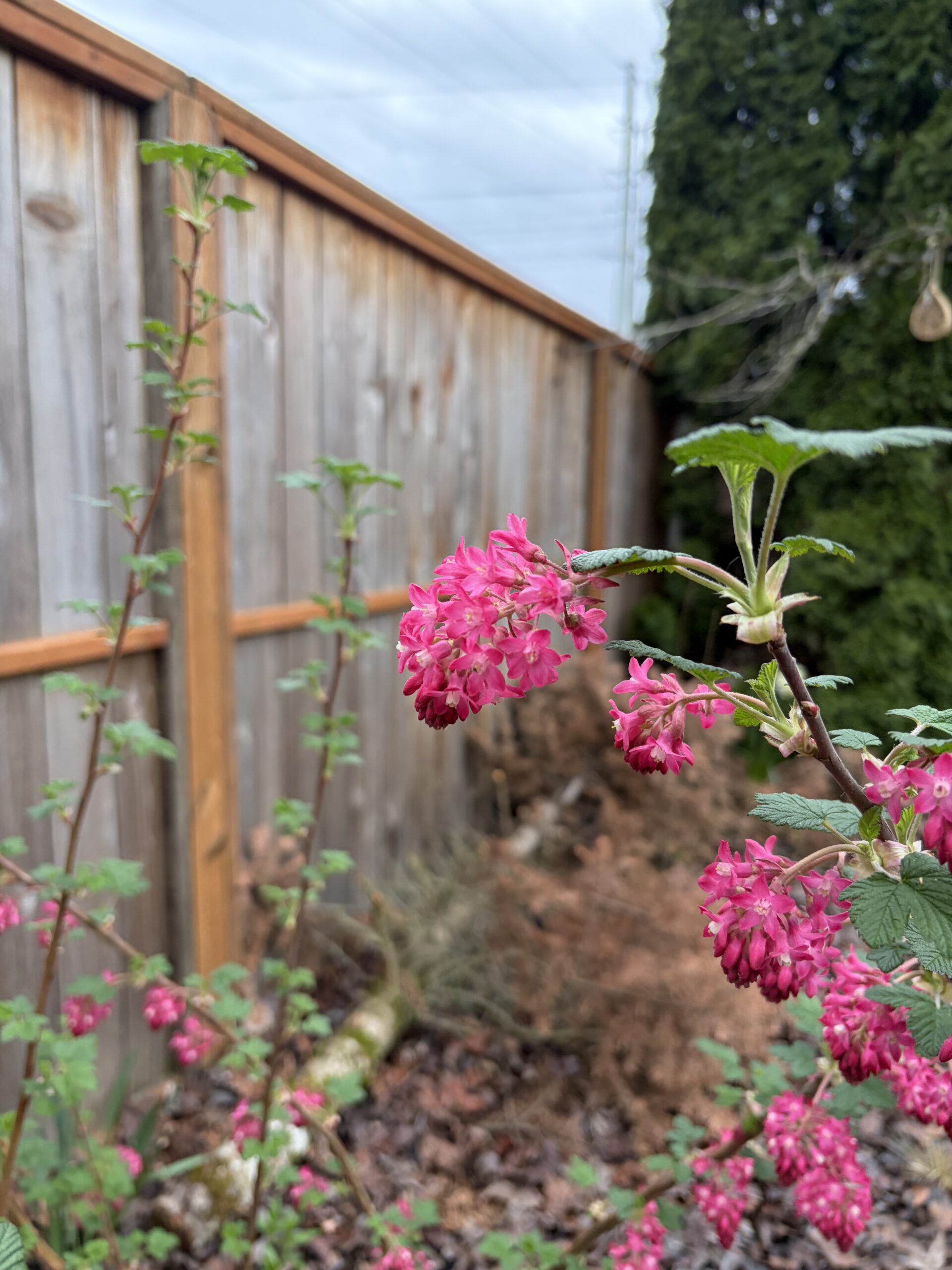
Once they had a general landscape design plan in place, Summer began thinking about which plant species she wanted to incorporate. She found inspiration in many places, like orange honeysuckle growing at her school and oceanspray she spotted on a hike. Red flowing currant is one of her favorite native plants. “The blooms are so bright red,” she said. “I couldn’t believe it was something that grows in the wilderness.”
As the transformation progressed, the family officially enrolled in the Backyard Habitat Program. When the technician came for their initial assessment, it was clear that Summer had done her homework, and they earned Silver certification on the spot.
Native plants now happily growing in their yard include Western red columbine, Oregon stonecrop, camas, pearly everlasting, salal, sword fern, oceanspray, evergreen huckleberry, Douglas spirea, and others.
“This program and the process connects you to this environment in a way that it’s hard to do otherwise,” said Summer.
The Torres family’s yard sits near a creek and a powerline corridor used by wildlife, and the family has seen a variety of species utilizing their greenspace.
Native plants like this red columbine provide food and shelter for birds, pollinators, and other wildlife.
For Summer, the overall goal is much larger and more important than reaching a certification level.
“We as humans have become disconnected in a way from the land,” she said. “Having this [native garden] feels like a way to give back. I can be a part of the environment rather than just living in it.”
The program and connection have also shaped the way Brian sees the yard, and his daughter. “Summer led this process,” he said. “She taught me about native plants and the importance of providing backyard habitats for wildlife. I’m very happy and proud.”
The Torres family’s native plant garden is just one of more than 14,000 participating yards across the Portland-Vancouver metro area that are helping connect small urban wildlife habitats with larger conserved lands.
The Backyard Habitat Certification Program supports urban and suburban residents who want to restore native wildlife habitat, manage stormwater, and garden sustainably in their yards and community spaces. Through the program, participants can access technical assistance, resources, incentives, and recognition as they work toward those goals.
“As a young person, I hear a lot about climate change as a big, unstoppable force that’s going to ruin our future,” said Summer. “But there are ways we can make a difference individually. Sharing the Backyard Habitat program and the benefits of native plants and wildlife habitat with others is really nice because it feels like I’m a connecting force in a web of people that are all trying to help the world.”
Summer has become increasingly involved with the native plant community, visiting local plant sales, talking with other gardeners, and chatting with people who stop to look at their Backyard Habitat sign and encouraging them to enroll. And this is just the beginning!
Summer hopes to become a landscape architect, carrying what she’s learned in this little corner of Portland into whatever outdoor spaces she helps shape next.
The Backyard Habitat Certification Program is co-managed by Columbia Land Trust and Bird Alliance of Oregon. To enroll and learn more, please visit https://backyardhabitats.org/.