
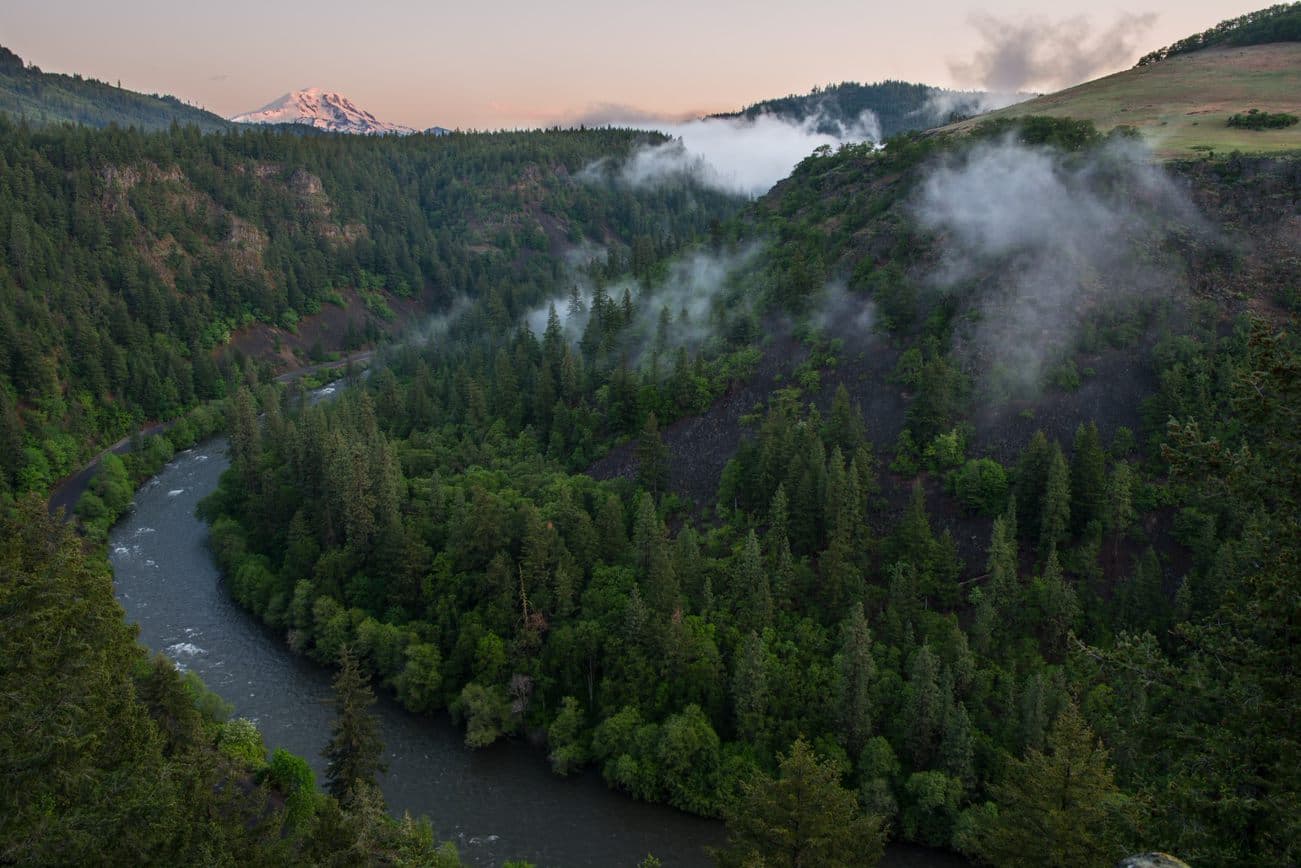

When we acquire a forest, we think about what it could be in 100 years.
Restoration is not fast, nor is it linear. And it’s not about returning the forest to some static version of the past. We learn from the past and apply those lessons to strengthen nature so that it can better adapt to a changing climate. We call it restoring forward.
-

First, we thin to make room for light and biodiversity. We often acquire forestland that was previously managed to generate timber revenue, which leads to dense forests that crowd out younger trees and understory plants. While thinning, we leave behind large woody debris, and create snags—trees with the tops cut off—which become habitat for wildlife.
-

Then, we plant. We plant species that grow there today, as well ones that might thrive tomorrow as the climate shifts. We stagger our plantings, to introduce age diversity and build more a complex and resilient ecosystem from the ground up.
-

And all along, we monitor. We track tree density, species diversity, trunk width. We note what species of wildlife utilize the landscape. We ask questions. Are native plants returning? Is the forest holding moisture? Are river temperatures dropping as shade returns to the watershed?
Gallery
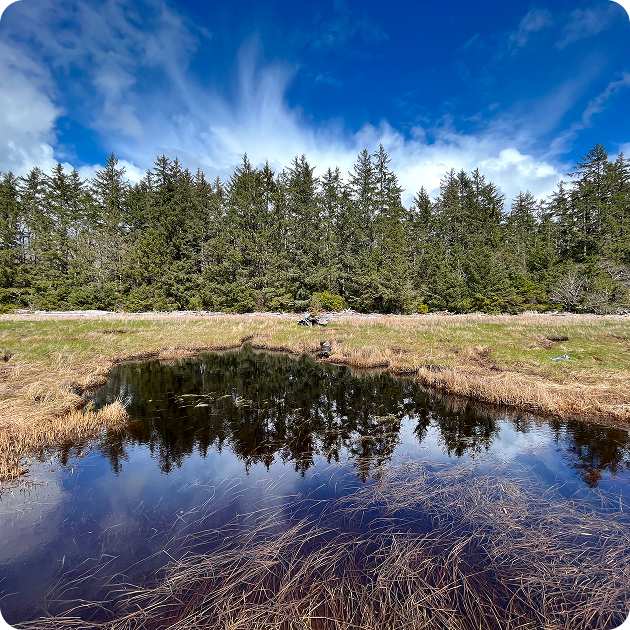
Measuring our impact on wetlands
We’re focused on restoring wetlands by removing dikes and reconnecting them to the Columbia River system. They’re complex systems, so we’re monitoring our progress every step of the way.