
Restoring rare habitats along the Tualatin River
Nestled in a bend of the Tualatin River near Scholls, Oregon, Rainbow Natural Area is a 76-acre site where we plan to restore rare Oregon white oak and wetland habitat in the river’s floodplain. Conserved by Columbia Land Trust in 2015, the landscape includes more than a mile of Tualatin River shoreline, with 20 acres of native forest along the river, where the Land Trust has already been working to improve habitat. The remainder of the site is a 50-acre field in the floodplain which will be the primary focus of this restoration effort.
When we acquired this land in Washington County, the field was fallow and overgrown, but we saw the potential. Even with farming over the past several decades, native wetland plants persisted in the wettest parts of the field, and large oak trees and patches of spring wildflowers could be found in the forested area closest to the river.
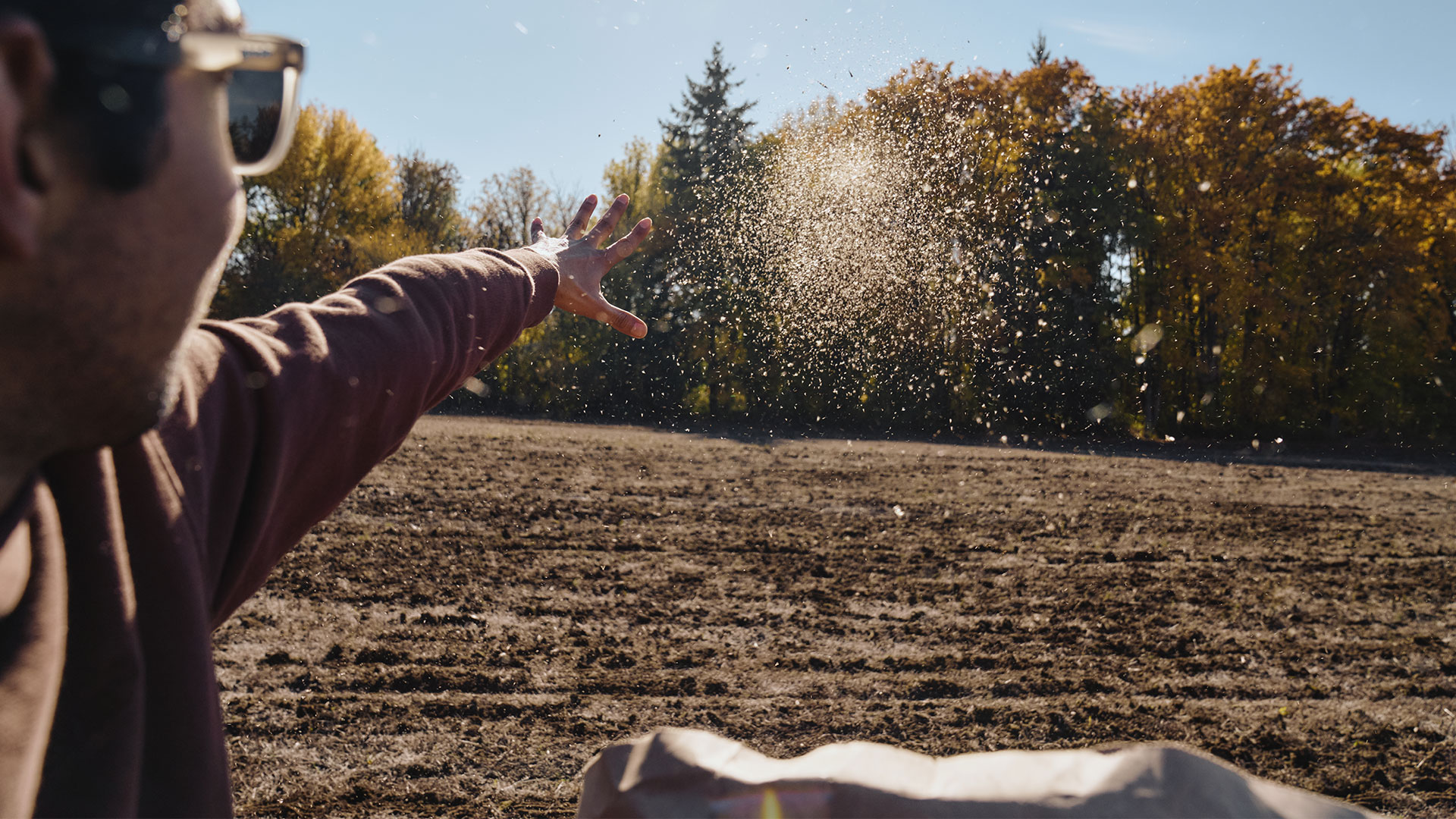
With funding secured, restoration began in 2024 and is being completed in phases. First, the site was carefully prepared for planting, through soil cultivation and weed control. Native prairie wildflower bulbs were planted in late summer, followed by another round of seeding of a diverse mix of prairie natives.
Oregon white oak woodland, savanna, and wet prairie habitats have become increasingly rare in the Willamette Valley and are crucial to a variety of wildlife. These habitats persisted for thousands of years through the use of fire and other stewardship practices by Indigenous peoples, and are important resources for tribes and Indigenous communities in our region. By restoring native habitats in the Tualatin River floodplain, the project will benefit soil health, reduce erosion risk, help restore natural watershed processes, and improve water quality in the Tualatin River. Wildlife that will benefit include salmon and steelhead along with other threatened or declining species like the western meadowlark Fender’s blue butterfly, and Oregon vesper sparrow.
The site is not currently open to the public while restoration work is ongoing, but we are planning for future access.
Funding Partners: Tualatin Soil and Water Conservation District and the Oregon Wildlife Foundation
Gallery
Other featured projects
-
View Project
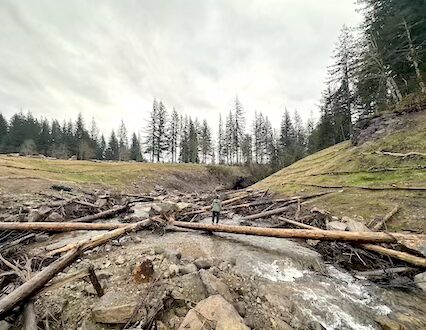
Wildboy Creek
Collaborating with the Cowlitz Tribe to remove a dam and reconnect fish habitat in the West Cascades
-
View Project
Kerry Island
Connecting a tidal floodplain with the Columbia River Estuary
-
View Project
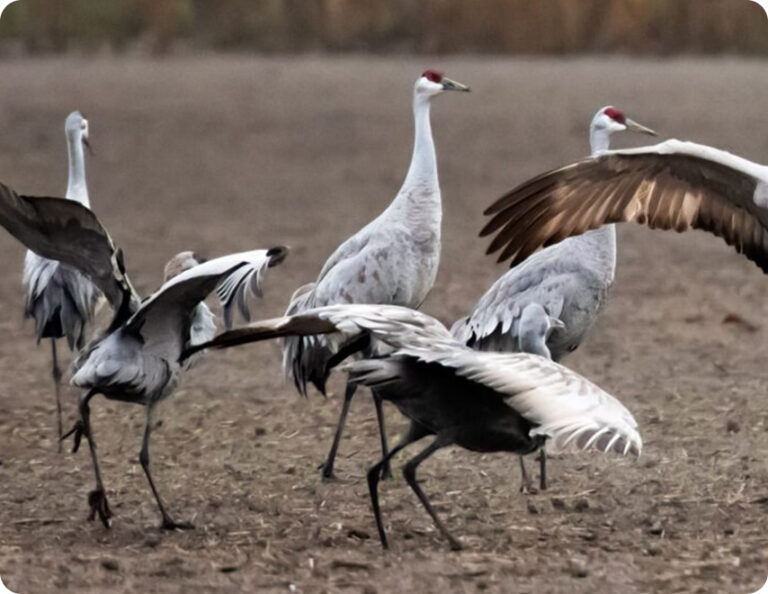
Cranes' Landing
Creating winter habitat for Sandhill cranes in the Vancouver Lake Lowlands
-
View Project
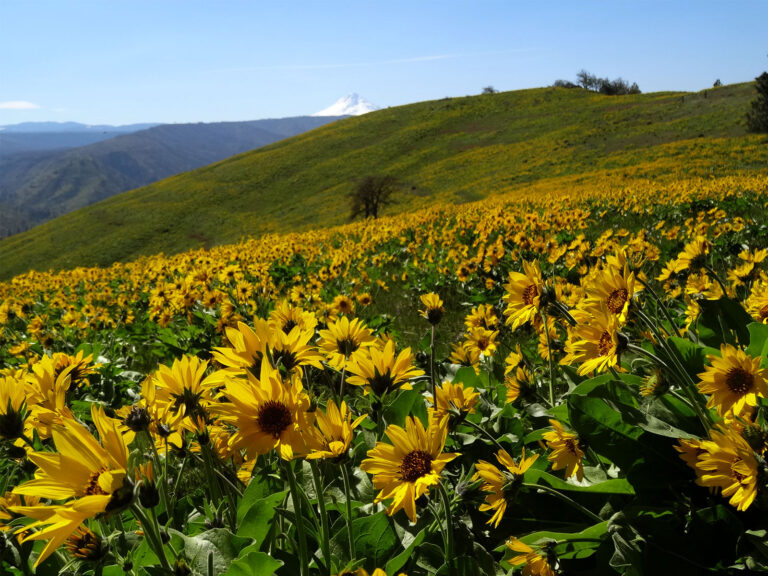
Four Sisters
Managing a native grassland beloved for wildflowers in the Columbia Plateau
-
View Project
Bowman Creek
Restoring east side forests and helping reduce the risk of catastrophic wildfire with controlled burns
-
View Project
East Fork Lewis River
Fostering functional river systems and protecting forestland that supports watershed function
-
View Project
Crazy Johnson
Protecting chum salmon habitat and reducing sedimentation to improve water quality
-
View Project
Haul Road
Reconnecting the wild Klickitat River with its floodplain by removing eight miles of defunct road