News

Our 2023-2024 Conservation Report
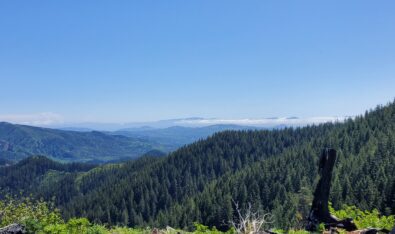
Our 2023-2024 Conservation Report is here! We are excited to share highlights from all that we accomplished over the past year and offer a look forward at the incredible conservation opportunities to come. In 2023 Columbia Land Trust conserved 2,370 acres of the region’s most important natural places—old forests, oak habitats, and essential salmonid spawning…
Read More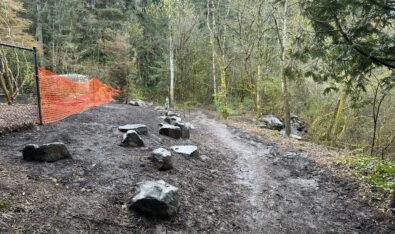
Volunteer at Beth Ryan Nature Preserve – April 26th, 2024
Join us for a morning of volunteer work at Beth Ryan Nature Preserve, a small, beloved trail in Lake Oswego that borders a seasonal wetland. Several trees fell across the trail in the January ice storm, and the work to clean up the debris has left the trail in need of some rehab! We will…
Read More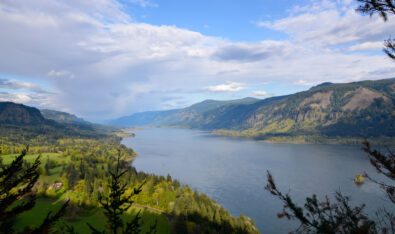
Conserving Cape Horn
12 acres of forest transferred to the United States Forest Service
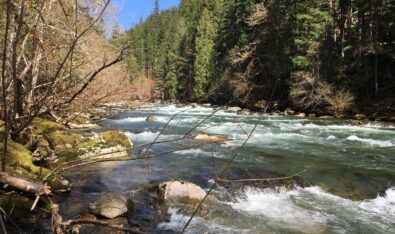
Protecting One of the Most Important Rivers for Steelhead
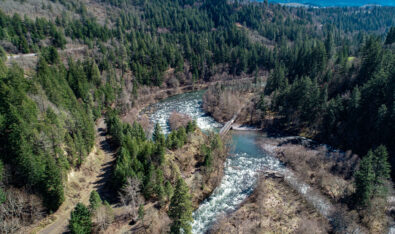
85 acres conserved along Washington’s Wind River
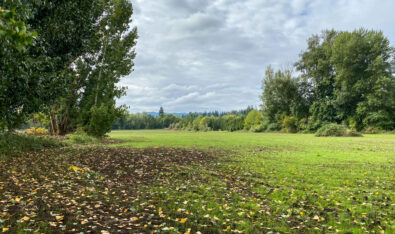
Funding Secured for Restoration in Tualatin River Watershed
Oak woodland, savanna, and prairie restoration to kick off in Washington County this Spring
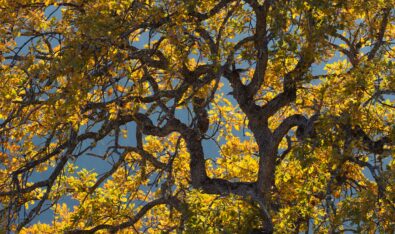
ECOP’s 2023 Impact Report
In 2023, the East Cascades Oak Partnership (ECOP) began implementing its strategic plan and allocating funding to projects across the East Cascades. Thanks to the collaboration of dedicated organizations, agency partners, and individuals, the partnership was able to achieve so much! Check out ECOP’s first ever impact report for a deeper dive on how this…
Read More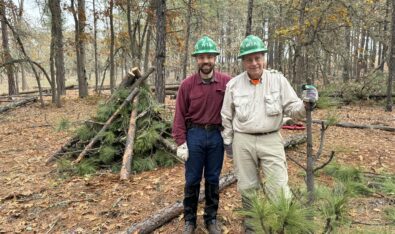
Improving Forest Health
Strategic thinning supports wildlife and promotes resiliency to infestation, drought, and fire
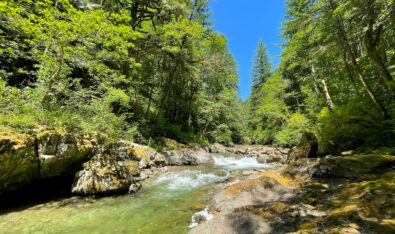
Conserved: 300 Acres Along Washougal River
Rare old forest and riparian habitat in the West Cascades